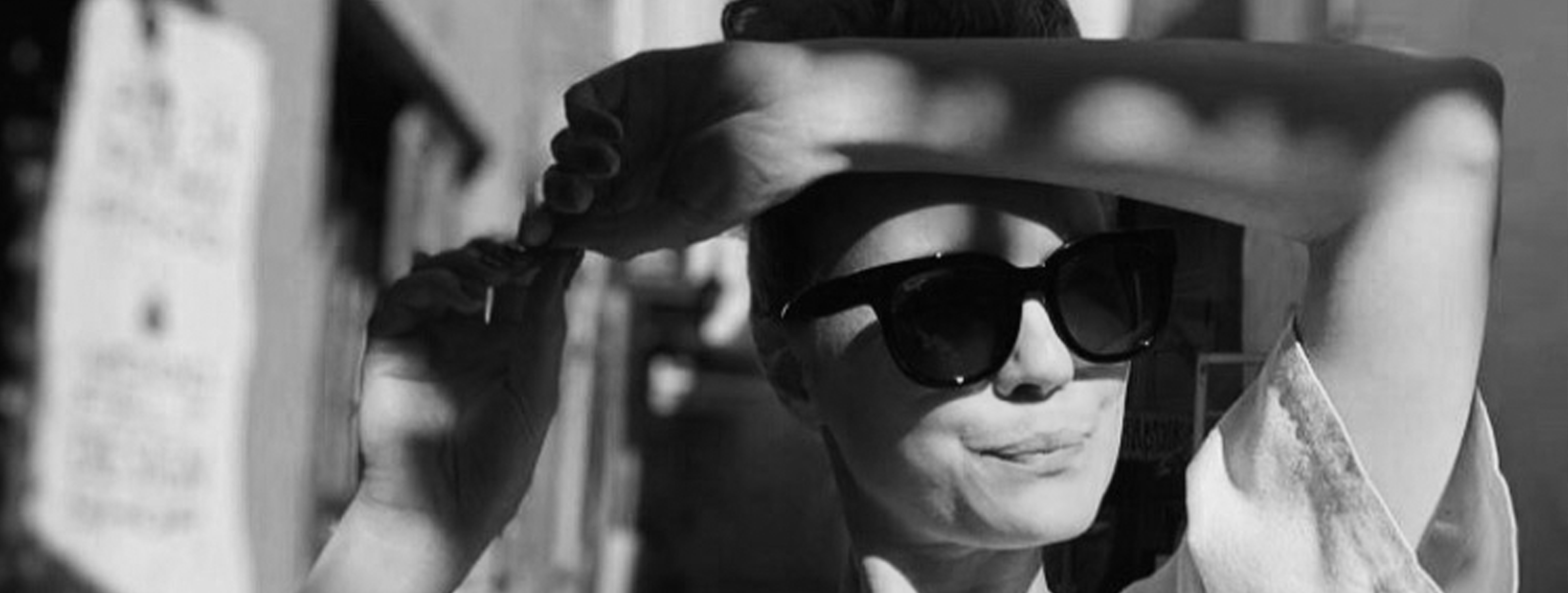
An essay on the allure of regressive nostalgia and the possibility of a future grounded in values we don’t want to abandon
Over the past few weeks, I’ve been strolling across Paris, taking time to visit the iconic places I wouldn’t dare approach during high tourist season, and revisiting my favorite hidden, off-the-beaten-path gems.
Immersed in the beauty of the past, I keep returning to two truths that feel like tectonic shifts in how we live and remember.
First — on nostalgia.
A sentiment that’s easy to evoke in Paris. It’s at the heart of the magnetic pull that attracts millions of tourists each year. So what exactly are they looking for? (Besides the Disneyland experience and a me-with-Mona-Lisa selfie.)
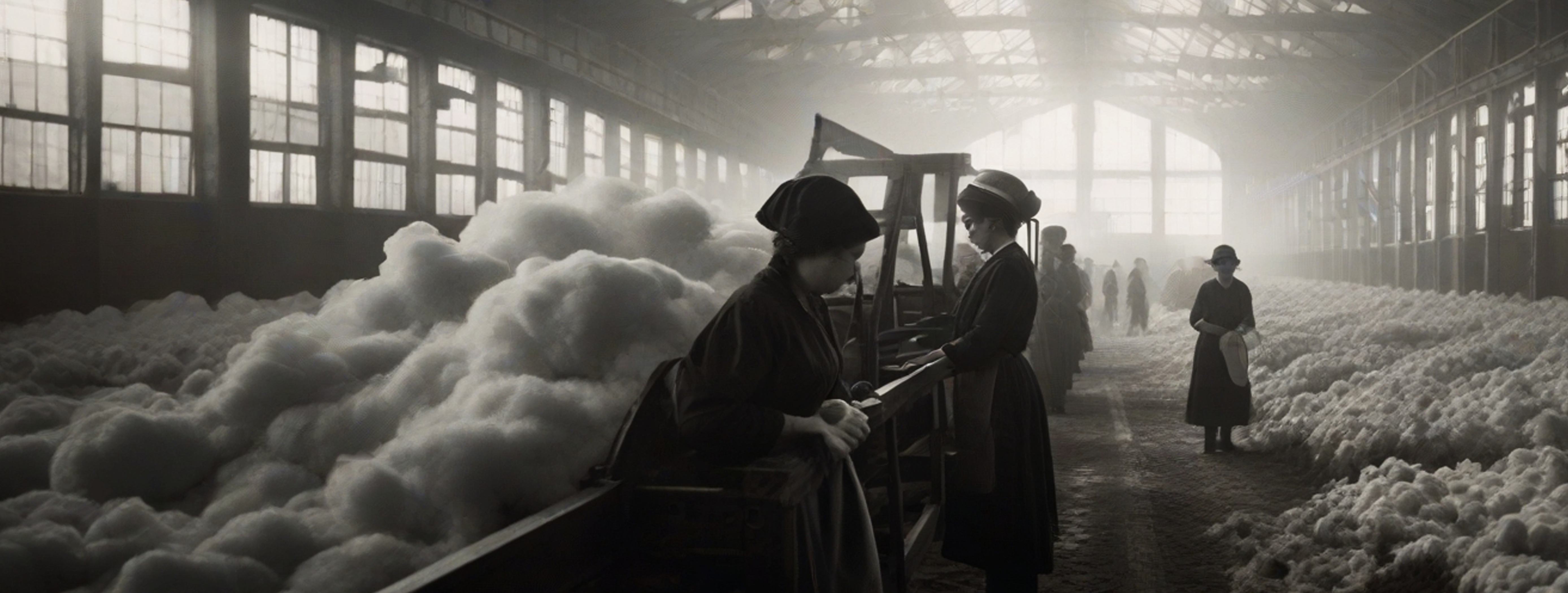
A recent global Ipsos survey across 30 countries found that France stands out as one of the most nostalgic societies on Earth: 57% of French respondents said they would rather have been born in 1975 than in 2025, far above the global average. Only a small minority today would choose the present over the past. That preference isn’t just idle sentiment—it accompanies a widespread perception that life used to be happier, safer, more grounded.
My humble assumption is that this attitude of the French themselves is at the heart of the country’s magnetism. This collective looking-back isn’t just cultural—it’s cognitive. And it’s becoming increasingly global. This isn’t just French people being sentimental about baguettes and Édith Piaf. There’s actual neuroscience behind it – our brains are physically responding to the fragmented, digitized world by longing for coherence.
Of course, we have to account for historic facts. The 70s marked the end of post-war prosperity for Old Europe, when the luxuries of welfare societies had not yet revealed their heavy price tag: cheap oil, exploited labor, and catastrophic effects on the planet’s ecosystem. If we look outside Europe and compare the average life experience of a middle-class Chinese person to their European counterpart, the preference for time travel would differ entirely. The Chinese were still, in comparison, emerging from an entirely different economic reality.
But contextual differences aside, it’s still obvious: the progress we’ve made has led us to a world that feels, for most people, more uncertain, lonely, and void of meaning.
And nowhere is this more visible than in how we experience time itself.
Second — on time itself.
These days, on my daily walks, I’ve been practicing a conscious effort to keep my hands off my phone. The need to reach for it has become instinctual—whether I’m a little lost and reaching for Google Maps to orient myself, or passing a cute corner that surely must be stored as a pile of pixels in my ever-growing photo cloud. Either way, I’d rather uninstall that reflex from my nervous system.
Emerging research over the last decade suggests that our brains literally adapt to the rhythms of digital life. Notifications, alerts, and algorithmic feeds draw and redraw our attention thousands of times a day, weakening sustained attention and creating a state of continuous partial attention — where the present moment is never fully grasped.
This is how I see it: from personal amnesia to collective cultural amnesia to a dystopian future where we’re basically back in prehistoric times, when organisms existed without the capacity to store experiences in memory and thus lacked any kind of meaning-making. This may sound extreme, but considering the speed at which AI is reshaping cognition, it’s worth taking seriously.
We now live in an environment where memory isn’t only a psychological function—it’s outsourced, quantified, and externalized. In this context, nostalgia isn’t mere longing for sepia tones; it’s the psyche’s attempt to reclaim continuity from a world that dispenses with linear time in favor of pings and feeds.
The consequence?
Many across the world—and especially here in France—feel pulled between two temporal poles:
A past that seems richer, calmer, more coherent, and
A present that feels accelerated, fragmented, yet unbearably immediate.
But nostalgia on its own is regressive. It makes the past a refuge, not a resource.
The real imperative—the one I reach for in my art and in my life—isn’t to flee backward or to surrender to constant distraction. It’s to synthesize: to carry the depth of memory into the present and use it to shape something unprecedented.
A renaissance of consciousness—not rooted in escape, but in clarity of presence, intentional recollection, and creative reinvention—is what I’m building toward.